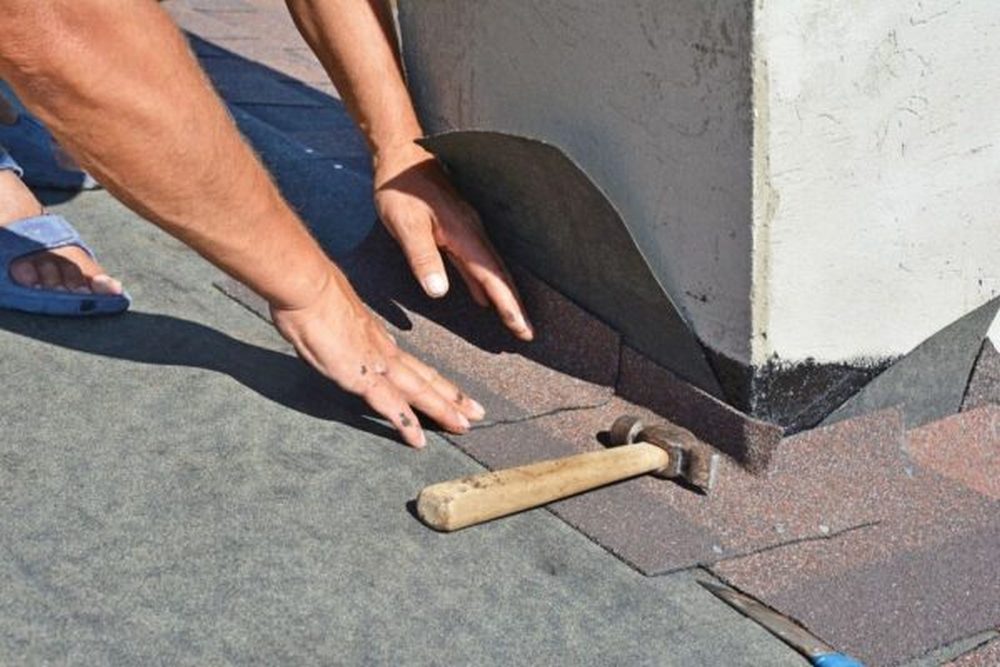
Your roof does more than cover your home. It helps protect your interior, belongings, and structural materials from rain, wind, and changing weather conditions. However, certain roof areas are more vulnerable to water intrusion than others. Where your roof meets a chimney, wall, skylight, vent, or other feature, small gaps can let moisture in. Roof flashing helps address these vulnerable areas by directing water away from joints and toward the drainage system. Without properly installed flashing, rainwater may collect around roof penetrations or seep beneath roofing materials, potentially leading to leaks and costly damage. You may not notice a flashing problem right away because water can travel beneath the roof surface before appearing inside your home. Understanding how flashing works helps you make more informed decisions about roof maintenance and repairs. If you’re concerned about water entering your home, consider scheduling a professional roof inspection to identify potential problem areas before they become more extensive.
Schedule a Roof Inspection to Address Flashing Concerns
Roof flashing plays an important role in keeping water away from vulnerable areas of your roofing system. When properly installed and maintained, it directs rainwater away from roof joints, openings, and connections where leaks may develop. However, damaged or deteriorating flashing can compromise that protection and, over time, contribute to moisture problems. You can help keep your roof in better condition by arranging inspections when you notice signs of damage, water stains, or leaks around roof features. Regular professional attention can also catch flashing issues before they require more extensive repairs. Built 2 Last Roofing can help you evaluate your roof’s condition and determine whether your home needs flashing repairs or other roofing services. If you have noticed signs of a roof leak or want to check vulnerable areas before the next rainfall, contact us to schedule a roof inspection and find the right solution before minor roofing problems become expensive repairs.